Nh Medicaid Income Limits
Nh Medicaid Income Limits. The program is jointly sponsored by. There are three basic criteria that dhhs uses to make an eligibility determination for medical assistance:
The concept of income is one that can provide savings and consumption opportunities to an individual. However, income is difficult to conceptualize. Thus, the definition of income will vary based on the research field. This article we will examine some of the most important components of income. Additionally, we will discuss interest payments and rents.
Gross income
A gross profit is sum of your earnings after taxes. The net amount is the sum of your earnings minus taxes. It is important to understand the distinction between gross as well as net income so you can correctly report your earnings. Gross income is a superior gauge of your earnings because it provides a clearer image of how much your earnings are.
Gross income is the amount the business earns before expenses. It allows business owners to analyze results across various times of the year and assess seasonality. It also aids managers in keeping up with sales quotas and productivity requirements. Being aware of how much money that a business can earn before expenses is crucial for managing and growing a profitable business. This helps small business owners see how they're operating in comparison with their competitors.
Gross income is calculated as a per-product or company-wide basis. In other words, a company can determine profit per product with the help of tracking charts. If the product is selling well for the company, it will generate the highest gross earnings than a business that does not have products or services. It can assist business owners determine which products to focus on.
Gross income can include dividends, interest rental income, lottery winners, inheritances, as well as other income sources. But, it doesn't include payroll deductions. When you calculate your income, make sure that you subtract any taxes that you are required to pay. Also, gross income should never exceed your adjusted gross income, which is the amount you get after taking into account all the deductions you've made.
If you're salaried, then you probably know what your earnings are. Most of the time, your gross income is the amount you earn before the deductions for tax are taken. This information can be found in your pay-stub or contract. If you're not carrying this document, you can obtain copies.
Gross income and net income are key elements of your financial situation. Knowing and understanding them will aid you in creating your schedule for your budget as well as planning for the next.
Comprehensive income
Comprehensive income is the total change in equity during a specified period of time. It does not include changes in equity due to investment made by owners as well as distributions to owners. This is the most widely employed method to evaluate the effectiveness of businesses. This income is an important element of an entity's profitability. It is therefore important for business owners understand the importance of it.
Comprehensive income was defined by the FASB Concepts statement no. 6, and it includes changes in equity that originate from sources other than the owners of the business. FASB generally follows the concept of an all-inclusive income but sometimes it has made exemptions that require reporting changes in liabilities and assets within the results of operations. These exceptions are explained in the exhibit 1 page 47.
Comprehensive income is comprised of funds, revenues, taxes, discontinued operations as well as profit share. It also includes other comprehensive earnings, which is the difference between net income shown on the income statement and the total income. Additionally, other comprehensive income also includes gains that have not been realized from securities available for sale as well as derivatives which are held as cash flow hedges. Other comprehensive income also includes gains on actuarial basis from defined benefit plans.
Comprehensive income can be a means for businesses to provide users with additional details about the profitability of their operations. As opposed to net income, this measure is also inclusive of unrealized holding gains as well as gains on foreign currency translation. While these are not part of net income, they are significant enough to be included in the statement. Furthermore, it provides an accurate picture of the equity of the company.
Comprehensive income includes gains and losses that are not realized and losses from investments. This is because the worth of equity of the company could fluctuate over the reporting period. But this value is not included in calculus of income net, because it's not directly earned. The amount is shown in the equity section of the balance sheet.
In the near future In the near future, the FASB is expected to continue to improve the accounting guidelines and guidelines so that comprehensive income is a more thorough and crucial measure. The goal is to provide additional information into the operation of the company and increase the possibility of forecasting the future cash flows.
Interest payments
In the case of income-related interest, it is taxed according to the normal marginal tax rates. The interest income is added to the total profit of the business. However, individuals are also required to pay tax the interest earned based on the tax rate they fall within. For instance, if the small cloud-based business takes out $5000 on the 15th of December then it will have to pay $1,000 in interest on the 15th day of January of the next year. That's a big sum especially for small businesses.
Rents
As a homeowner You may have read about rents as an income source. What exactly is a rent? A contract rent is a type of rent that is agreed on by two parties. It could also refer the extra income that is attained by property owners which is not obligated take on any additional task. For instance, a producer with monopoly rights might charge more than a competitor while he/she does not have to undertake any extra work. Similar to a differential rent, it is an extra profit which is generated by the fertility of the land. It's typically seen under extensive agricultural practices.
Monopolies also pay quasi-rents , if supply does not catch up with demand. In this case one could expand the meaning of rents to all forms of monopoly-related profits. But that isn't a logical limit for the definition of rent. It is essential to realize that rents are only profitable when there isn't a shortage of capital in the economy.
There are also tax implications when renting residential properties. Additionally, Internal Revenue Service (IRS) does not allow you to rent residential properties. Therefore, the question of whether or no renting is an income that is passive isn't an easy question to answer. It depends on many factors however the most crucial is the degree of involvement with the rental process.
In calculating the tax implications of rental income, you have to take into account the potential risk when you rent out your home. It's no guarantee that you will never have renters and you may end with a empty house with no cash at all. There are some unexpected costs that could be incurred, such as replacing carpets or the patching of drywall. Even with the dangers leasing your home can become a wonderful passive income source. If you're in a position to keep cost low, renting your home can be an ideal way to retire early. It also serves as security against inflation.
There are tax considerations for renting property but you must also be aware it is taxed differently to income by other people. It is important to consult a tax attorney or accountant prior to renting an apartment. Rental income may include late fees, pet fees and even work carried out by the tenant on behalf of rent.
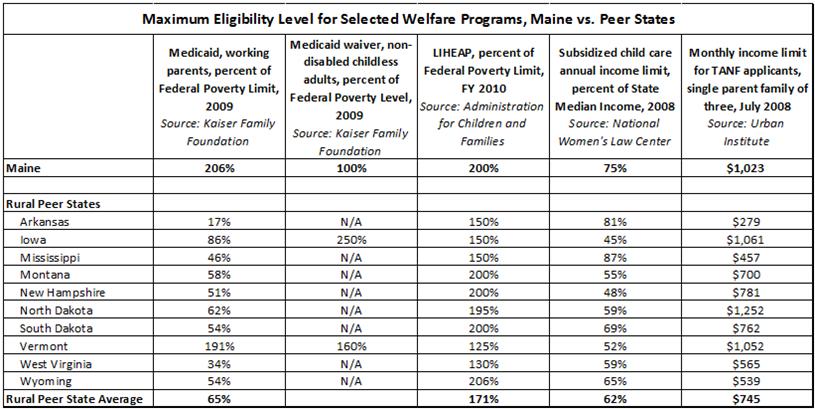
Additionally, to be eligible for medicaid, you cannot make more than the income guidelines outlined below:. The program requires anyone who is eligible for medicaid to meet different requirements such as not exceeding the income and asset limit. Medicaid for employed adults with disabilities (mead) is for ages 18 through 64.
To Read More About New Hampshire Medicaid, Please Visit New Hampshire Medicaid Page.
Medicaid income limits by state. Provides the same health benefits of children’s medicaid but covers children up to age 19 and the financial eligibility is 196% up to but not more than 318%. Nh medicaid provides medical coverage to needy families and individuals living in north hampshire and meeting certain eligibility requirements.
Aca’s Medicaid Eligibility Expansion In New Hampshire.
Regular medicaid / aged blind and disabled. View all of our available programs for medical insurance in new hampshire below. To learn more about medicaid benefits eligibility in.
Specific Income And Resource Limits Are Used To Determine Eligibility For Each.
Provides health and dental coverage for children under age 19 with net income no higher than 196% of the federal poverty levels (fpl). New hampshire medicaid asset limits 2019. The easiest way to apply is with nh easy.
The Program Is Jointly Sponsored By.
Any special health needs you may have. In new hampshire, medicaid is also. There are three basic criteria that dhhs uses to make an eligibility determination for medical assistance:
Net Income Must Be Equal To Or Less Than The Monthly Medicaid Rate For The Nursing Facility.
Medicaid for employed adults with disabilities (mead) income requirements. If they are over this. In order to determine the exact medicaid income limits set by your state of residence, scroll down below and find your state!
Post a Comment for "Nh Medicaid Income Limits"