Income Tax For Indiana
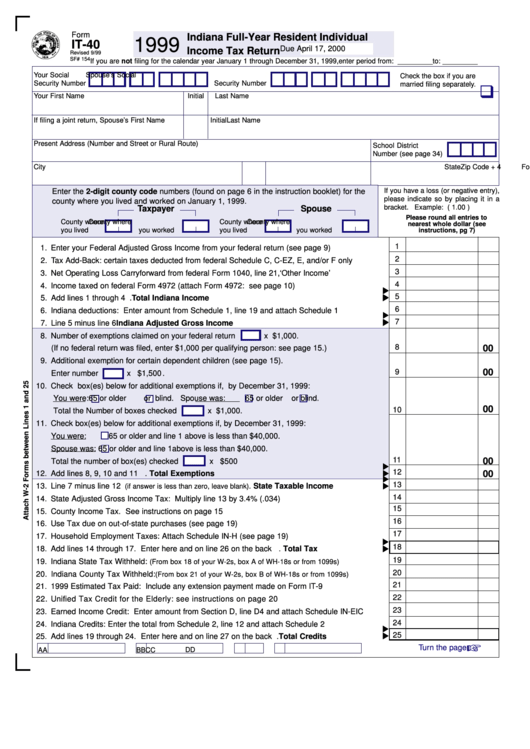
Income Tax For Indiana. The state also collects an. The state income tax rate in indiana is a flat rate of 3.23%.
The concept of income is one that gives savings and purchase opportunities to an individual. However, income is not easy to define conceptually. Therefore, the definition of income can be different based on the subject of study. Here, we will explore some important aspects of income. We will also consider rents and interest payments.
Gross income
Your gross earnings are the total sum of your earnings before taxes. On the other hand, net income is the sum of your earnings less taxes. It is essential to comprehend the difference between gross and net income so you can report correctly your earnings. Gross income is a more accurate measure of your earnings since it gives you a clearer idea of the amount your earnings are.
Gross income is the sum that a company earns before expenses. It allows business owners to analyze sales over different periods and assess seasonality. It also aids managers in keeping on top of sales targets and productivity needs. Knowing how much an enterprise makes before its expenses is vital to managing and developing a profitable company. It assists small business owners understand how they are faring in comparison to their rivals.
Gross income can be determined either on a global or product-specific basis. A company, for instance, may calculate profits by product through tracking charts. If the product is selling well so that the company can earn greater gross profits over a company that doesn't have products or services at all. This can help business owners pick which items to concentrate on.
Gross income comprises dividends, interest rental income, gambling winnings, inheritancesas well as other sources of income. However, it does not include payroll deductions. If you are calculating your income, make sure that you remove any taxes you're expected to pay. Furthermore, your gross revenue should not exceed your adjusted earning capacity, the amount you take home when you've calculated all of the deductions you have made.
If you're employed, you most likely know what your total income would be. The majority of times, your gross income is the amount that you receive before taxes are deducted. The information is available in your pay-stub or contract. You don't own the documentation, you can get copies of it.
Net income and gross income are key elements of your financial life. Knowing and understanding them will aid you in creating your forecast and budget.
Comprehensive income
Comprehensive income measures the change in equity during a specified period of time. This measure excludes the changes in equity that result from investing by owners and distributions made to owners. It is the most commonly used measure to measure the performance of companies. This kind of income is an vital aspect of an organisation's performance. Therefore, it is important for business owners get this.
Comprehensive income is defined in the FASB Concepts Statement No. 6. It is a term that includes change in equity from sources beyond the shareholders of the business. FASB generally follows the concept of an all-inclusive income but it may make exceptions to the requirement of reporting modifications in assets and liabilities in the operating results. These exceptions are highlighted in the exhibit 1, page 47.
Comprehensive income comprises revenue, finance costs, tax costs, discontinued operations, including profit shares. It also includes other comprehensive income which is the difference between net income in the income statement and the comprehensive income. In addition, other comprehensive income is comprised of unrealized gains from securities available for sale as well as derivatives held as cash flow hedges. Other comprehensive income includes gain from actuarial calculations from defined benefit plans.
Comprehensive income can be a means for companies to provide users with additional details about their efficiency. Unlike net income, this measure can also include unrealized earnings from holding and gains from foreign currency translation. Although these aren't included in net income, they are significant enough to include in the financial statement. It also provides the most complete picture of the company's equity.
Comprehensive income includes gains and losses that are not realized and losses from investments. This is because the value of equity in an organization can fluctuate during the period of reporting. But, it does not count in the determination of the company's net profits because it's not directly earned. The differing value of the amount is noted by the credit section in the balance sheet.
In the coming years the FASB has plans to improve the accounting guidelines and guidelines, making comprehensive income a more thorough and crucial measure. The objective is to provide additional insights into the operations of the business and increase the capacity to forecast the future cash flows.
Interest payments
Interest on income earned is taxed at ordinary rate of taxation on earnings. The interest earned is added to the overall profit of the business. However, each individual has to pay taxes upon this income based upon your tax bracket. For example, if a small cloud-based company takes out $5000 on the 15th of December this year, it's required to make a payment of $1,000 of interest at the beginning of January 15 in the next year. This is a significant amount for a small-sized business.
Rents
As a property proprietor Perhaps you've been told about rents as an income source. What exactly are they? A contract rent can be described as a rent that is set by two parties. This could also include the additional income received by a property proprietor who is not obliged to take on any additional task. A monopoly producer could be able to charge higher rent than a competitor but he or does not have to do any additional work. The same applies to differential rents. is an extra profit which is generated by the fertility of the land. It's typically seen under extensive land cultivation.
Monopolies can also earn quasi-rents , until supply is able to catch up with demand. In this instance it's possible to extend the definition of rents to all kinds of monopoly earnings. But , this isn't a logical limit for the definition of rent. It is important to know that rents are only profitable when there is a excess of capital available in the economy.
There are also tax implications when renting residential homes. It is important to note that the Internal Revenue Service (IRS) does not allow you to rent residential property. Therefore, the issue of whether or not renting can be an income source that is passive is not an easy question to answer. The answer depends on several factors However, the most crucial factor is how much you participate throughout the course of the transaction.
In calculating the tax implications of rental income, you must take into consideration the risks that come with renting out your property. It's not certain that you'll always have renters, and you could end with a house that is vacant and not even a dime. There are other unplanned expenses, like replacing carpets or patching drywall. In spite of the risk involved in renting your home, it can make a great passive income source. If you can keep costs low, it can prove to be a viable option in order to retire earlier. It could also be used as an insurance against rising prices.
There are tax considerations associated with renting a property You should be aware that rental income is treated differently to income out of other sources. It is important to speak with an accountant, tax attorney or tax attorney prior to renting a property. Rent earned can be comprised of pets, late fees and even work carried out by the tenant for rent.
The state of indiana 's income comes from four primary tax areas. Indiana has a 7.00 percent state sales tax rate and does not levy any local sales taxes. Know when i will receive my tax refund.
Indiana Income Tax Calculator 2021.
File my taxes as an indiana resident while i am in the military, but my spouse is not an indiana resident. Indiana income tax brackets and other information. The indiana personal exemption includes a $1,500.
Indiana Personal Income Tax Rates.
Indiana’s tax system ranks 9th overall on our 2022. California tops the list with the highest income tax rates in the country—its highest tax rate is 12.3%, but it also implements an additional tax on those with. The marginal tax rate in indiana for 2019 is 3.23%.
The Effective Tax Rate Is 3.18%.
Most state level income is from a sales tax of 7% and a flat state income tax of 3.23%. Know when i will receive my tax refund. Indiana’s tax rate is 3.23%.
Indiana Has A Flat Income Tax Of 3.23% — All Earnings Are Taxed At The Same Rate, Regardless Of Total Income Level.
The current year 2019 indiana tax rate of 3.23% is the same as last year. Pell grant recipients could owe around $646,. If you make $70,000 a year living in the region of indiana, usa, you will be taxed $10,616.
Indiana Cities And/Or Municipalities Don’t Have A City Sales Tax.
All 92 counties in the hoosier state also. For hoosiers receiving $10,000 in loan forgiveness, this means they will pay up to $323 in income tax. Indiana has a flat tax rate, meaning you’re taxed at the same 3.23% rate regardless of your income level or filing status.
Post a Comment for "Income Tax For Indiana"